

Choosing among the many types of bathtubs available can feel overwhelming when you’re planning a bathroom remodel. Bathtubs come in different configurations, sizes, materials, depths, and features, and the right choice depends on how you use your bathroom and how much space you have available.
Whether you’re looking for a practical tub for a family bathroom, a relaxing soaking tub, or a more accessible walk-in tub, understanding the differences between bathtub styles can make your decision easier.
If you’re ready to explore your options, contact EZPro Express to discuss your bathroom remodel with our team.
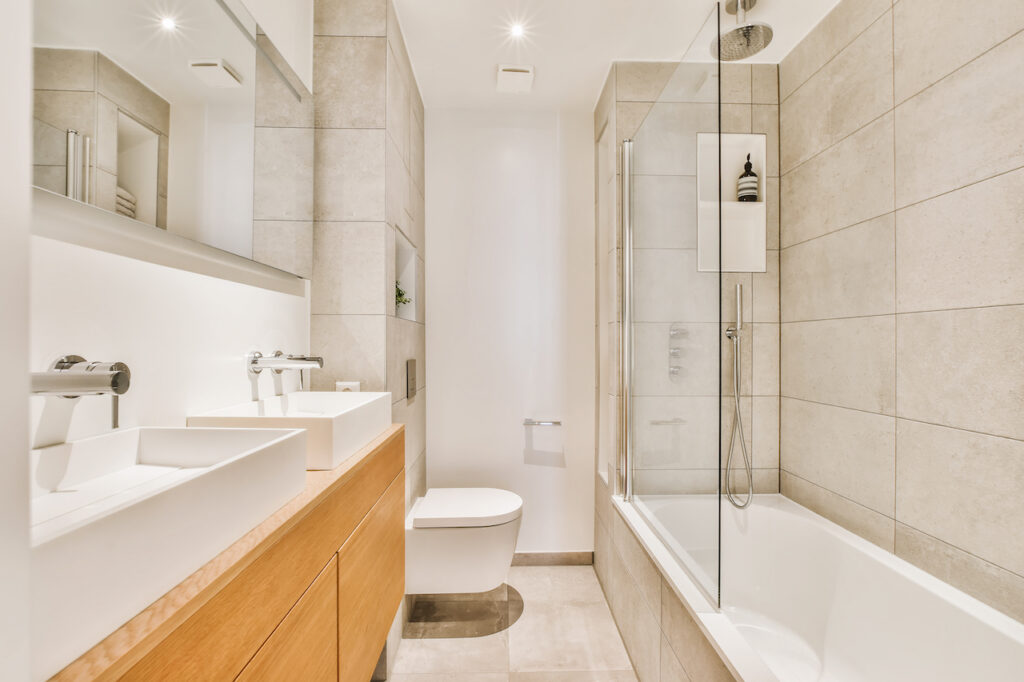
Types of Bathtubs at a Glance
Before choosing a new tub, it helps to understand the most common configurations. Some of the most popular types of bathtubs include:
- Alcove bathtubs
- Freestanding bathtubs
- Drop-in bathtubs
- Undermount bathtubs
- Corner bathtubs
- Soaking tubs
- Clawfoot tubs
- Walk-in tubs
- Tub and shower combinations
- Whirlpool and air tubs
Keep in mind that these categories can overlap. For example, a freestanding bathtub can also be a soaking tub, while an alcove bathtub can be part of a tub and shower combo.
1. Alcove Bathtub
An alcove bathtub is installed between three walls, making it one of the most practical and familiar bathtub styles. Because the surrounding walls help define the tub’s location, an alcove configuration can make efficient use of available bathroom space.
Alcove tubs are particularly common in hall bathrooms and bathrooms where the tub also functions as a shower. A wall-mounted showerhead can be installed above the tub, creating a flexible bathing area without requiring separate spaces for a tub and shower.
Why Choose an Alcove Bathtub?
An alcove bathtub may be a good fit if you want:
- An efficient use of wall space
- A bathtub that can double as a shower
- A familiar layout for a family bathroom
- Built-in storage or shelving around the tub
- A straightforward configuration for a bathroom remodel
If you’re unsure whether your existing tub is made from fiberglass or acrylic, EZPro’s guide on how to tell if your tub is fiberglass or acrylic can help you identify the material before planning a replacement.
2. Freestanding Bathtub
A freestanding bathtub is finished on all sides and does not need to be surrounded by three walls. This makes it a popular option for homeowners who want the bathtub to become a focal point in the bathroom.
Freestanding bathtubs come in numerous shapes and sizes, including oval, rectangular, slipper, and sculptural designs. Because they aren’t tied to three surrounding walls, they can offer greater flexibility when planning the layout.
However, a freestanding bathtub generally requires more open space than an alcove tub. You’ll also need to consider plumbing placement, clearance around the tub, and how the tub fits with the rest of the bathroom.
Houzz’s current design coverage shows freestanding tubs being used in a variety of bathroom styles, from modern spaces to more traditional designs.
Is a Freestanding Bathtub Right for You?
Consider a freestanding bathtub if you want:
- A prominent design feature
- More flexibility in tub placement
- A spa-inspired appearance
- A deeper soaking experience
- A tub that complements a larger bathroom
A freestanding bathtub isn’t necessarily the right choice for every bathroom. Measuring the available space before selecting a model is essential.
3. Drop-In Bathtub
A drop-in bathtub is installed into a constructed deck or platform. Instead of seeing the entire exterior of the tub, you’ll typically see the tub basin surrounded by the finished deck material.
The surrounding platform can be finished with materials such as tile or stone, allowing the tub to coordinate with the rest of the bathroom.
Drop-in tubs can work well in larger bathrooms where there is enough room to create the surrounding structure. They can also provide a convenient ledge for bath products.
4. Undermount Bathtub
An undermount bathtub is similar to a drop-in tub, but the finished deck extends over the tub’s rim. This creates a more seamless appearance between the tub and surrounding surface.
Undermount bathtubs can create a clean, sophisticated look, particularly when paired with stone or tile. However, the installation requires careful planning because the surrounding surface needs to be properly designed and installed around the tub.
For homeowners considering a major bathroom renovation, the surrounding tub area should be planned at the same time as the flooring, walls, fixtures, and other finishes.
5. Corner Bathtub
A corner bathtub is designed to fit into the corner of a bathroom. Depending on the configuration, these tubs can provide additional bathing space without occupying the center of the room.
Corner tubs were particularly popular in larger bathrooms, although modern bathroom designs tend to favor a wider variety of layouts.
Before selecting a corner tub, consider the tub’s actual footprint rather than just its appearance in a showroom. The surrounding clearance can affect how easily you move around the bathroom and access other fixtures.
6. Soaking Tub
A soaking tub is designed primarily for comfortable immersion in deeper water. Unlike a standard tub designed primarily for quick bathing, a soaking tub emphasizes relaxation and a deeper bathing experience.
Soaking tubs are available in both freestanding and built-in configurations. This means you can choose a soaking tub without committing to one particular bathtub layout.
What Makes a Soaking Tub Different?
The main consideration is depth and bathing position. A deeper tub may provide a more immersive experience, but it can also require more water and may be harder for some people to enter and exit.
For that reason, think about who will use the tub before selecting a deeper model.
7. Clawfoot Bathtub
A clawfoot tub is a freestanding bathtub supported by decorative feet. This classic bathtub style can give a bathroom a traditional, vintage, or farmhouse-inspired appearance.
Modern clawfoot tubs are available in a variety of materials and finishes, so you don’t necessarily need an older home to use one.
The main consideration is space. Because a clawfoot tub is visible on all sides, the surrounding area becomes part of the design. You’ll want enough room to clean around the tub and comfortably move through the bathroom.
8. Walk-In Tub
A walk-in tub is designed with an integrated door that allows the user to enter without stepping over the full height of a traditional bathtub wall.
This can make a walk-in tub an option for homeowners who are prioritizing accessibility and easier entry.
Bathrooms can present fall hazards, particularly around tubs and showers. CDC guidance recommends considering safety modifications such as grab bars inside and outside the tub or shower.
When Should You Consider a Walk-In Tub?
A walk-in tub may be worth considering if:
- Stepping over a traditional tub wall has become difficult
- You want easier tub entry
- Accessibility is a priority
- You are planning to age in place
- You want additional bathing features
EZPro also offers a detailed guide explaining how a walk-in tub can make everyday bathing easier.
9. Tub and Shower Combo
A tub and shower combo combines two functions in one bathroom area. It allows you to take a bath while also providing a dedicated showering option.
This is one of the most versatile bathtub styles for households with different preferences. For example, one person may prefer taking a quick shower while another may want to relax in the tub.
A tub and shower combo can also be practical in a secondary bathroom or family bathroom where maximizing functionality is important.
EZPro’s types of showers guide discusses tub and shower combinations alongside other shower configurations.
If your current bathtub takes up space you no longer need, another option is a tub-to-shower conversion.
10. Whirlpool and Air Tubs
Whirlpool and air tubs add powered water or air features to the bathing experience. Whirlpool systems typically use water jets, while air tubs use air jets to create bubbling water.
These tubs can provide a spa-like experience, but they also require additional equipment and maintenance compared with a standard bathtub.
Before choosing one, consider:
- Available bathroom space
- Electrical requirements
- Plumbing requirements
- Cleaning and maintenance
- Noise
- How frequently you expect to use the feature
A feature is most useful when it matches the way you actually plan to use your bathroom.
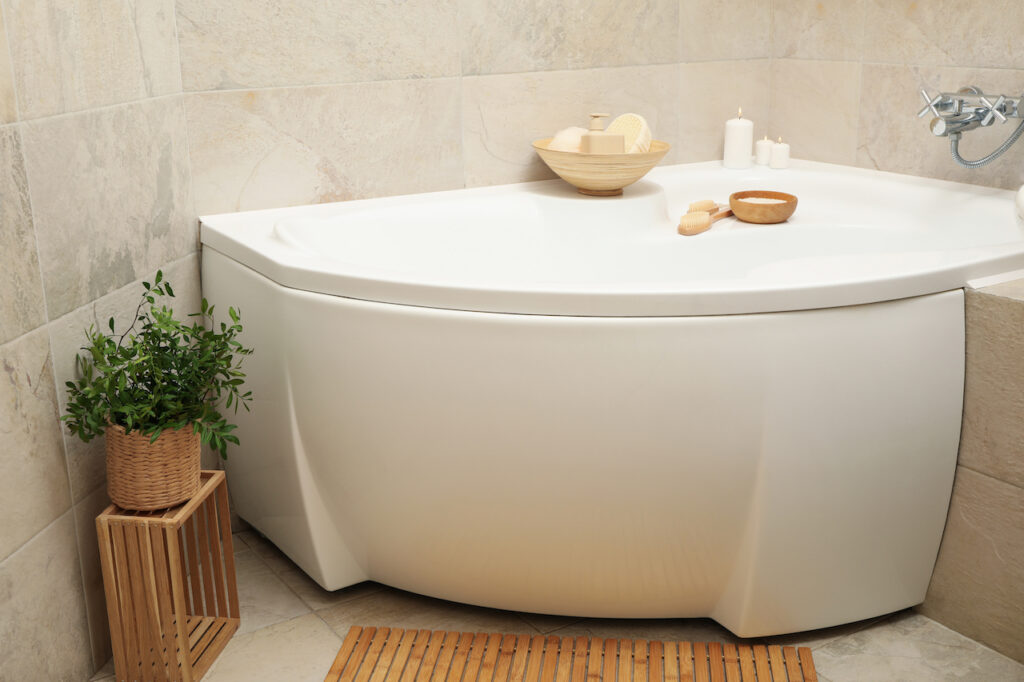
Types of Bathtubs by Material
The configuration of a bathtub is only one part of the decision. Bathtub materials can also affect appearance, durability, cleaning requirements, weight, and overall maintenance.
Common bathtub materials include:
Acrylic Bathtubs
Acrylic is a popular bathtub material because it can be molded into many shapes and is relatively easy to maintain. EZPro Express specializes in acrylic bathtub systems and states that its acrylic tubs are designed to resist cracking, discoloration, and fading.
For more information about the differences between acrylic and fiberglass, see EZPro’s guide to fiberglass vs. acrylic tubs.
Fiberglass Bathtubs
Fiberglass is lightweight and has historically been a common bathtub material. However, it can be more susceptible to certain types of surface damage and may require more careful cleaning.
EZPro’s article on fiberglass tub repair or replacement covers common problems that can develop as fiberglass tubs age.
Cast Iron and Steel
Enameled cast iron and steel tubs are known for their durable surfaces, but they can be significantly heavier than acrylic or fiberglass. Weight can become an important consideration when replacing an existing tub, especially if the bathroom is on an upper floor.
The right bathtub materials ultimately depend on your priorities for durability, maintenance, appearance, and installation.
How to Choose Between Different Types of Bathtubs
With so many types of bathtubs available, start with the way you use your bathroom rather than the appearance of the tub alone.
Ask yourself:
1. How much space do you have?
Measure the available floor space and determine how much clearance you’ll need around the tub. A large freestanding bathtub may look appealing, but it needs enough room to function comfortably.
2. Who will use the tub?
A family bathroom may benefit from a practical tub and shower combo, while a primary bathroom might have room for a freestanding soaking tub.
3. Do you need accessibility features?
If entering and exiting a traditional tub has become difficult, accessibility should be part of your planning process. Walk-in tubs and other bathroom modifications can help create a more accessible space.
4. How much maintenance do you want?
Consider how easy the surface will be to clean and whether the bathtub material is appropriate for your preferred maintenance routine. EZPro’s bathtub and shower cleaning guide provides additional information about maintaining different tub and shower materials.
5. Will the tub also be used as a shower?
If the answer is yes, your choices may be different than if the tub is intended exclusively for soaking. A tub and shower combo can provide flexibility without requiring two separate bathing areas.
6. What is your remodeling goal?
If you’re replacing an outdated tub, you may want to keep the existing footprint to simplify the project. If you’re completing a larger bathroom remodel, you may have more flexibility to change the layout.
When Is It Time for a Bathtub Remodel?
Knowing the different types of bathtubs is helpful, but you also need to determine whether replacing your current tub makes sense.
Signs that it may be time for an upgrade include:
- Cracks or significant surface damage
- Persistent discoloration
- Difficult-to-clean surfaces
- Water damage around the tub
- Outdated design
- Difficult entry and exit
- A bathtub that no longer fits your lifestyle
- A layout that wastes valuable bathroom space
EZPro’s guide to common bathtub and shower damage explains several problems homeowners may encounter, including cracks, stains, leaks, chips, scratches, and caulk deterioration.
Find the Right Bathtub for Your Bathroom Remodel
There are many types of bathtubs to consider, from practical alcove tubs and versatile tub and shower combinations to freestanding soaking tubs and accessible walk-in models. The right choice depends on your bathroom’s available space, how you use the room, the people who will use the tub, and your priorities for maintenance and accessibility.
If your current bathtub is damaged, outdated, difficult to clean, or no longer works for your lifestyle, a replacement can be an opportunity to improve both the appearance and function of your bathroom.
EZPro Express can help you compare bathtub styles, materials, and features and create a bathroom that fits your needs. Contact EZPro Express today to schedule your consultation and start planning your bathroom remodel.
FAQ: Types of Bathtubs
What are the most common types of bathtubs?
The most common types of bathtubs include alcove, freestanding, drop-in, undermount, corner, soaking, clawfoot, walk-in, and tub and shower combinations. The right option depends on your available space, intended use, accessibility needs, and preferred design.
What type of bathtub is best for a small bathroom?
An alcove bathtub or tub and shower combo can make efficient use of a smaller bathroom because the tub can fit into an existing wall configuration. However, the best choice depends on the bathroom’s dimensions and existing plumbing.
What is the difference between a freestanding bathtub and an alcove bathtub?
A freestanding bathtub is finished on all sides and can be positioned away from the walls, while an alcove bathtub is installed between three walls. Freestanding tubs can become a visual focal point, while alcove tubs are often selected for practical space utilization.
What are the most durable bathtub materials?
Durability depends on the specific product, construction, installation, and maintenance. Acrylic is commonly used because it is lightweight, versatile, and relatively easy to maintain. Other bathtub materials, such as cast iron and steel, offer different combinations of durability, weight, and appearance.
Is a walk-in tub safer than a traditional bathtub?
A walk-in tub is designed to reduce the need to step over a traditional tub wall, which can make entry easier for some users. However, bathroom safety involves more than the bathtub itself. The CDC recommends safety measures such as appropriate grab bars around tubs and showers.